Speciale Sydney
Zone umide e fauna selvatica a Sydney Olympic Park in ottobre
Ottobre è l'unico mese in cui le rane del Brickpit cantano e gli uccelli migratori limicoli arrivano, il che lo rende il mese giusto per percorrere con calma la parte tranquilla di Sydney Olympic Park.

Di Bram de VriesThe long way round Sydney — coastlines, ferries and the streets between
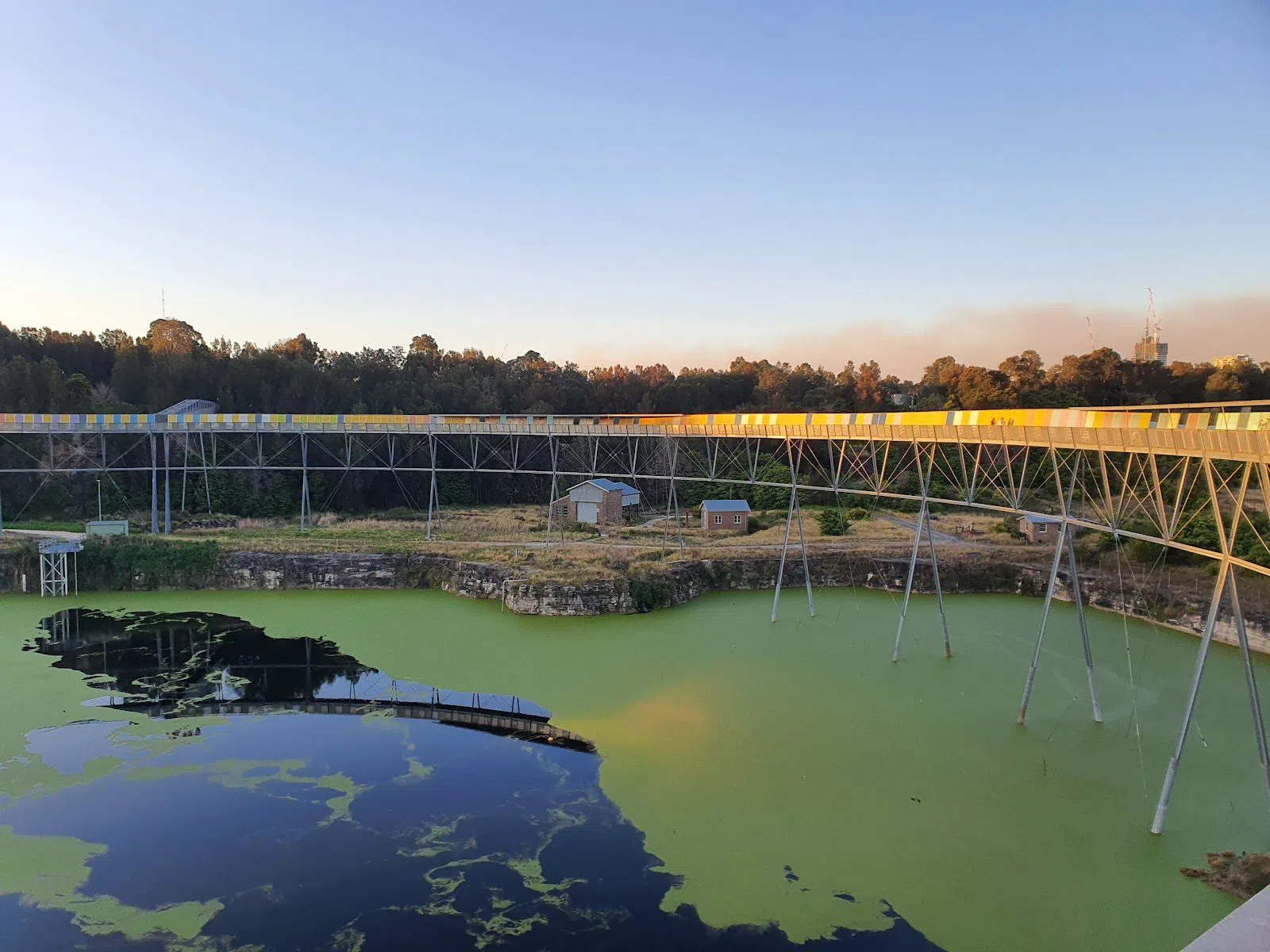
The Brickpit at Sydney Olympic Park is a worked-out clay hole left over from the brickworks that once stood here, and on a still October morning after rain it is one of the loudest places in the city. Three kilometres of boardwalk away, birds that have just flown roughly 20,000km from the northern hemisphere are dropping onto the exposed mud of the bay to feed. This is the month the precinct stops reading as a stadium car park with lawn attached and starts behaving like the wetland it was rebuilt to be.
What the place is
The precinct runs to 640 hectares linked by 35km of shared path, which is the single fact that should shape your day: on foot you will see a fraction of it. The stadium end is what people picture. The northern and western two-thirds are parkland, remediated industrial ground, mangrove, saltmarsh and bushland, and that is where the wildlife lives.
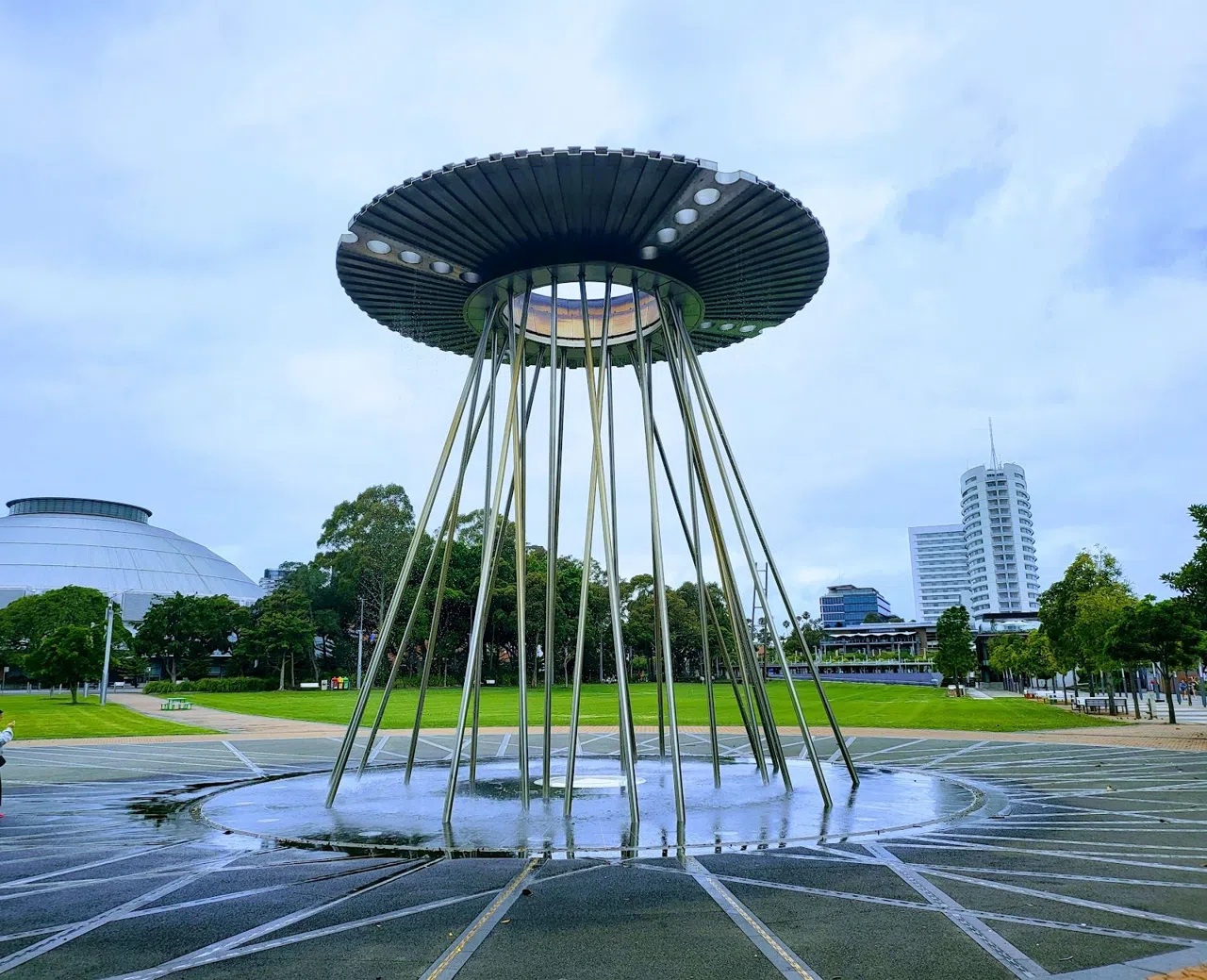
Start with five minutes of context at Cathy Freeman Park and the Olympic Cauldron (directly between Olympic Park station and the parklands), a free open park with no gate and no group limit. It has been state-heritage-listed since 2010 and carries the names of all 1,972 Olympic and 2,627 Paralympic medallists from the Sydney Games. It is also the obvious muster point if you are arriving as a group. Stand there for a moment and the wetlands further north stop looking like scenery and start looking like what they are, a deliberate remediation project that happens to have become good habitat.
Organizza il tuo viaggio a Sydney
Prezzi in tempo reale dai nostri partner di prenotazione.
Cancellazione gratuita su molte camere. Potremmo ricevere una commissione quando prenoti.
The Brickpit is the reason to come in October
The Brickpit Ring Walk (central precinct, off Marjorie Jackson Parkway) is an elevated steel ring suspended over the old pit, and the one thing here you should not miss. It is also the reason the park has a wildlife reputation at all: the pit is one of Sydney's most important homes for the endangered Green and Golden Bell Frog, and 135 bird species have been recorded around it.
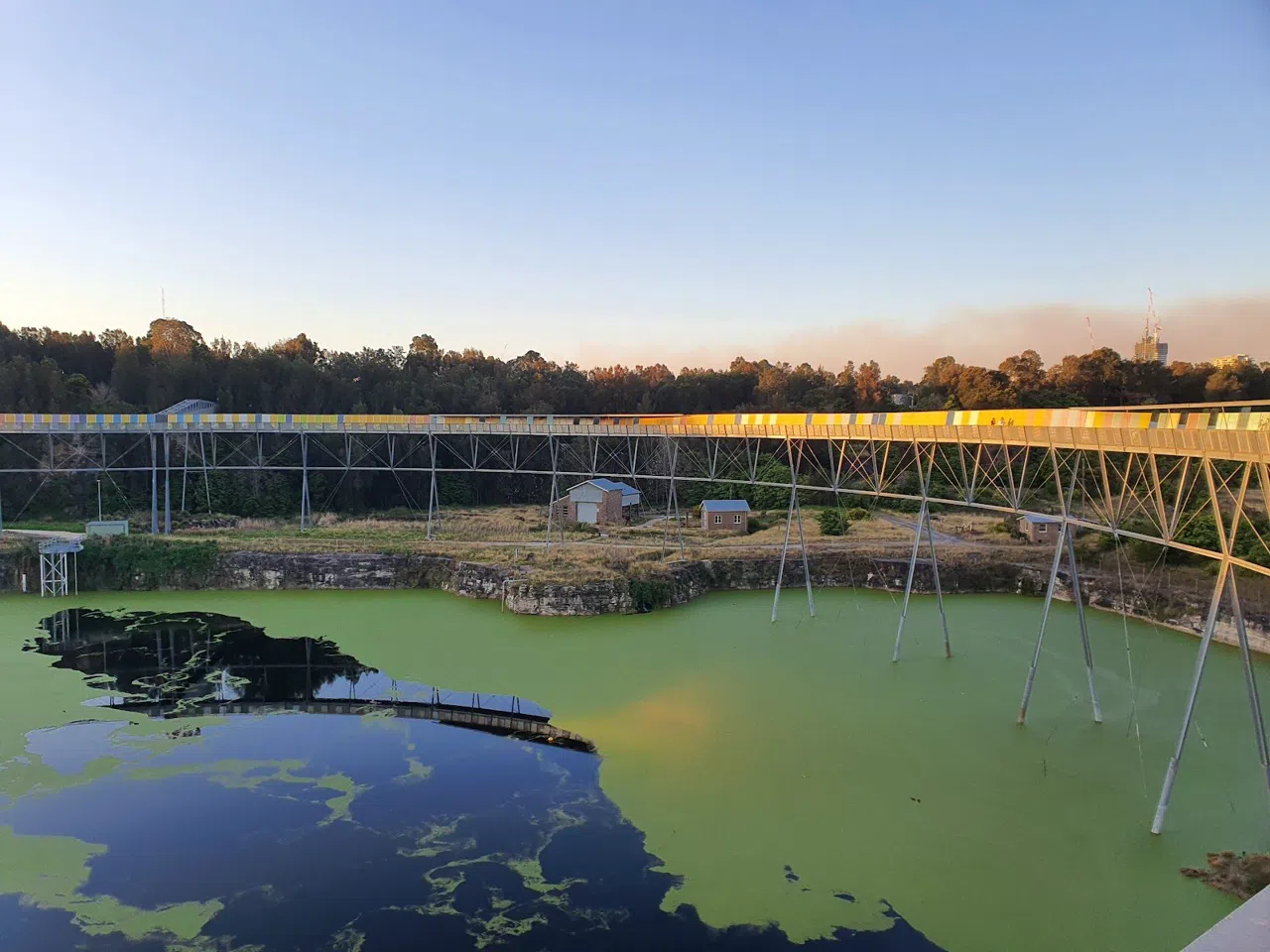
October is when the frogs are calling, and that is the whole trick. Go after spring rain, get yourself onto the ring, then stand still and shut up for five minutes. People walk the loop in eight minutes talking the entire way and leave saying they heard nothing. Allow thirty to forty-five minutes. It is free, unticketed and uncapped, so self-guided groups of any size walk straight on without booking.
The one thing you cannot do on your own is get down to the pit floor. The Authority runs occasional guided descents, including night frog tours, and those have to be arranged directly on (02) 9714 7300 or [email protected]. If your October dates are flexible, that call is worth making before anything else in this article.
Honest verdict on the ring itself: on a dry, hot midday it is an interesting piece of engineering over a quarry and worth twenty minutes, no more. Wet, early or late, with the frogs going, it is the best free hour of nature in western Sydney.
Mangroves and mudflats at the bay end
Bicentennial Park (the bay end of the precinct) is the hub of the park's nature side and the obvious base for a half-day. It opens daily sunrise to sunset, free. Climb the Treillage Tower first for the wetland-and-skyline orientation, then work downhill into the mangroves and the hide from the same car park. Five picnic pavilions (Corymbia, Lake, Hill, Heron and Egret) can be hired for organised groups, which makes this the one part of the park that properly accommodates a booked-in party. There is no fishing in any waterway. Dogs are on-leash, with an off-leash area near Bennelong Parkway.
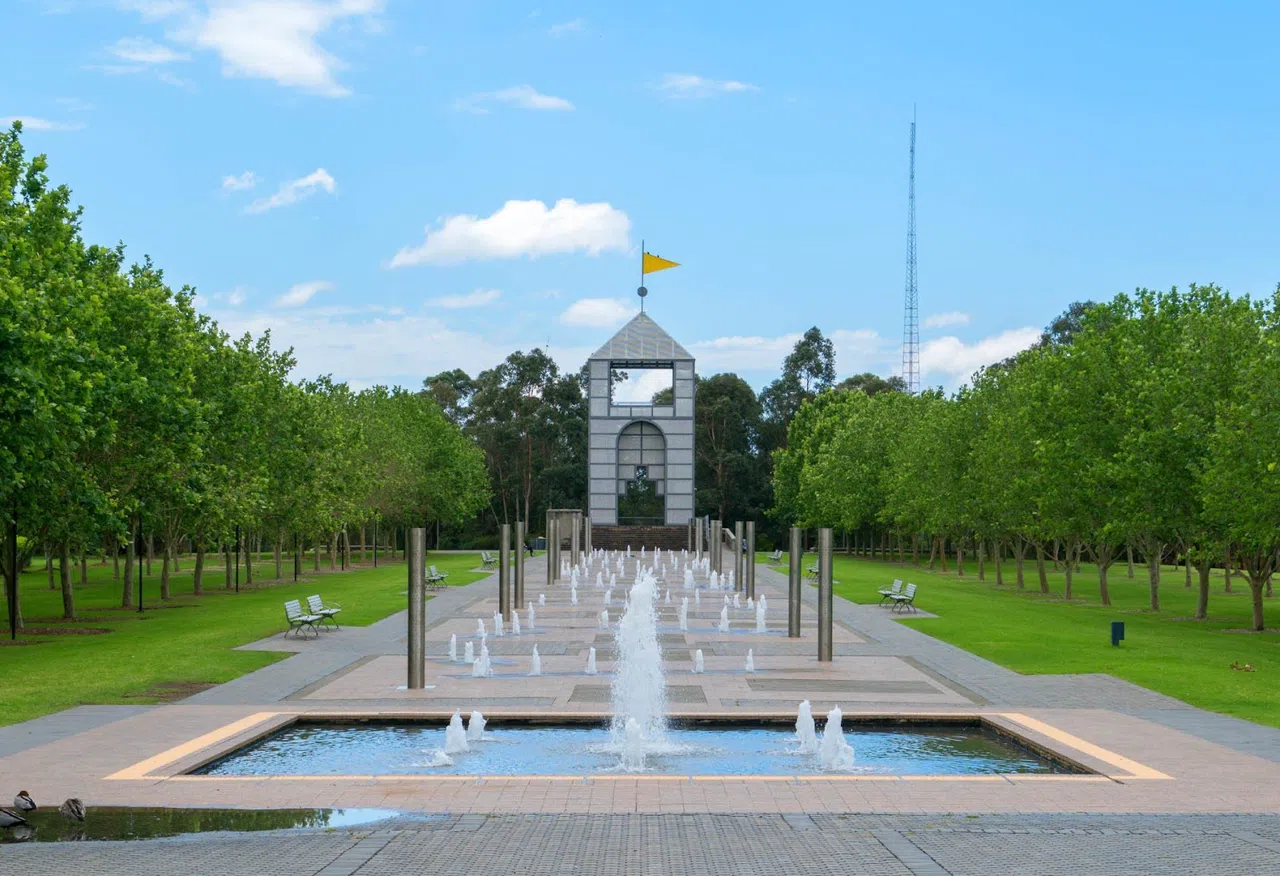
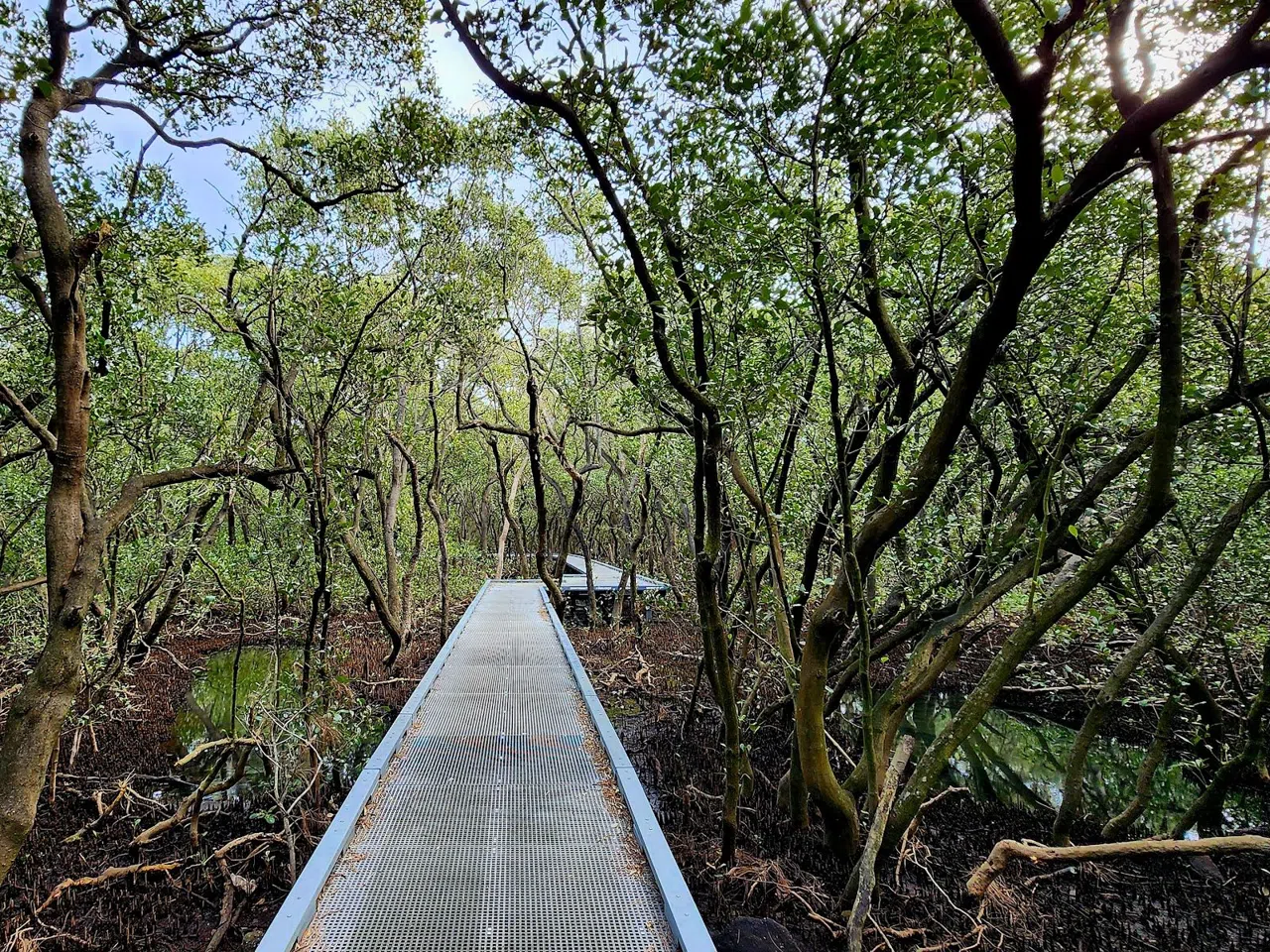
From Bicentennial Drive, the Badu Mangroves Boardwalk (Bicentennial Park) puts you inside tidal mangrove forest for ten minutes, fifteen minutes from the CBD, and it is the best single stretch of the 200-plus-species birding circuit. Time it near low tide so the mud flats are exposed and the herons and kingfishers come in to feed. The boardwalk is narrow and single-file in places, so a large group should break into small clusters rather than convoy through. Dogs are banned in Badu entirely, even though they are fine on-leash elsewhere in the park.
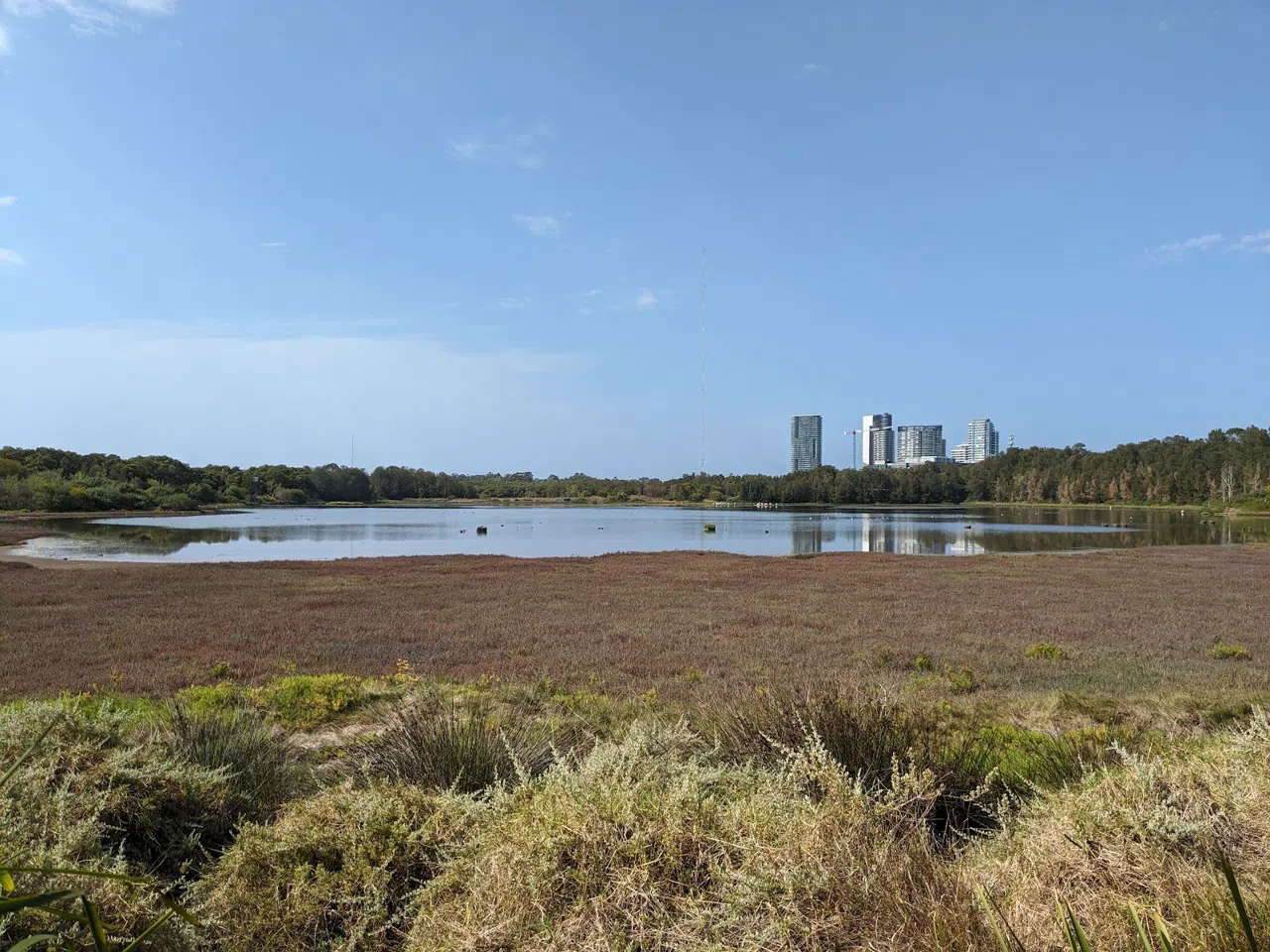
The Waterbird Refuge Bird Hide (Bicentennial Park, a short walk on) was purpose-built for uninterrupted views of habitat supporting 55-plus native bird species, including internationally protected migratory shorebirds. October is exactly when the Bar-tailed Godwits and Sharp-tailed Sandpipers are arriving off that 20,000km flight. It is free and needs no booking, but the hide fits only a handful of people at the viewing slots at once. Couples do well here. Tour-sized groups need to rotate through, and should expect to, politely.
The only expert-led walk inside the park
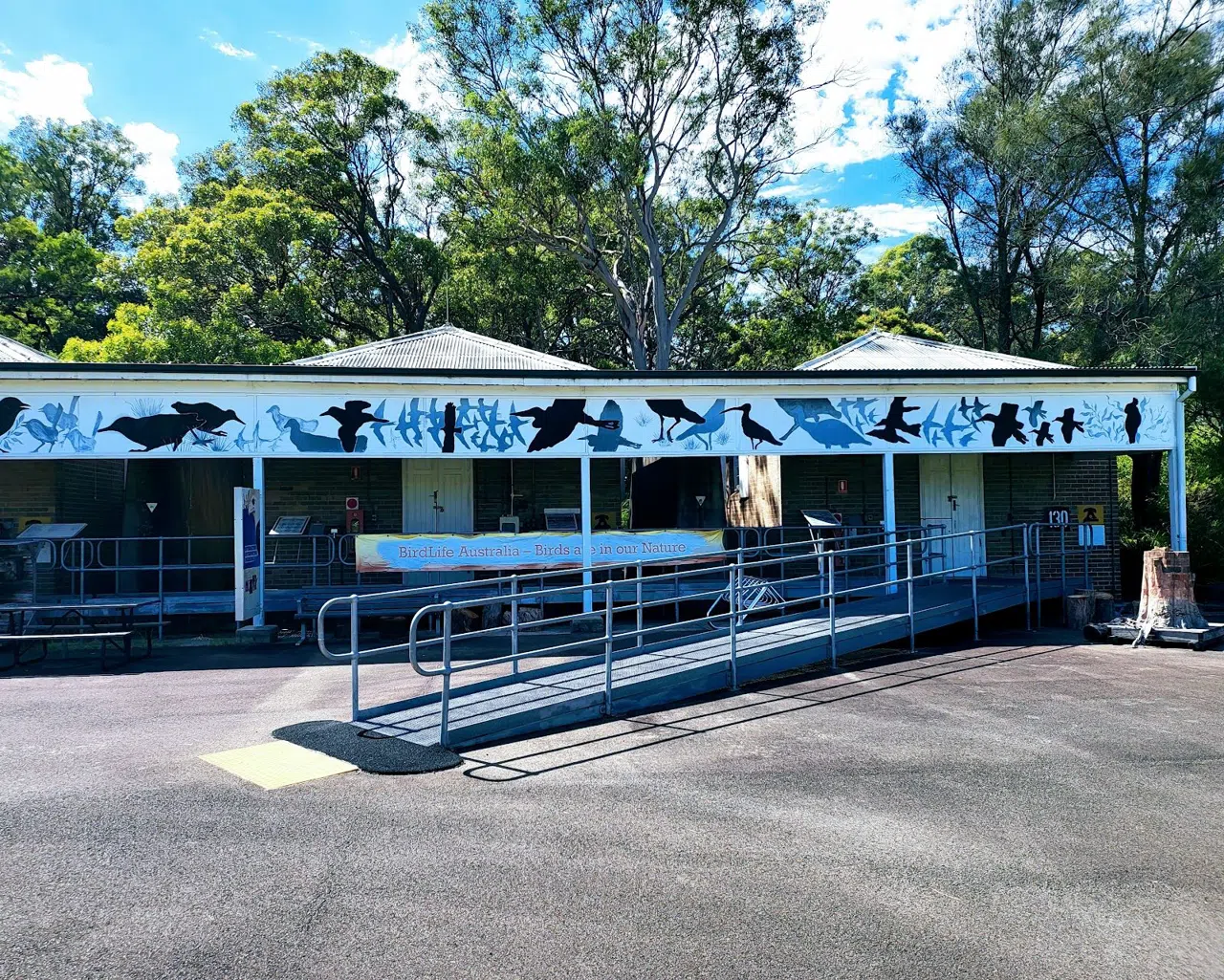
The BirdLife Australia Discovery Centre (riverside, by the bike-hire Gate House) runs free guided bird walks on the last Sunday of each month at 10am, departing the Gate House, open to all ages and happy to take groups. In October 2026 that falls on Sunday 25 October. It is the only regular expert-led wildlife walk inside the park and the closest you will get to the off-limits reserve, but it runs once a month, so it either lines up with your trip or it doesn't.
The centre is staffed by volunteers at weekends, roughly 10am to 4pm with Sunday hours sometimes shorter, so call (02) 9647 1033 or email [email protected] before you build a day around it.
That reserve is Newington Nature Reserve (northern edge of the precinct), and you should understand what it is before you plan around it. It is one of the last stands of Cumberland Plain woodland, home to over 200 native bird and animal species, and it is not open to the public at all. The only legitimate access is as part of an organised BirdLife or Authority walk. You can see into it for free from the Louise Sauvage Pathway and the River Walk promenade, and that is worth doing, because the birds spill out over the fence. Anyone promising you a stroll inside is selling you the fence line.
Lookouts, frog ponds and a floating forest
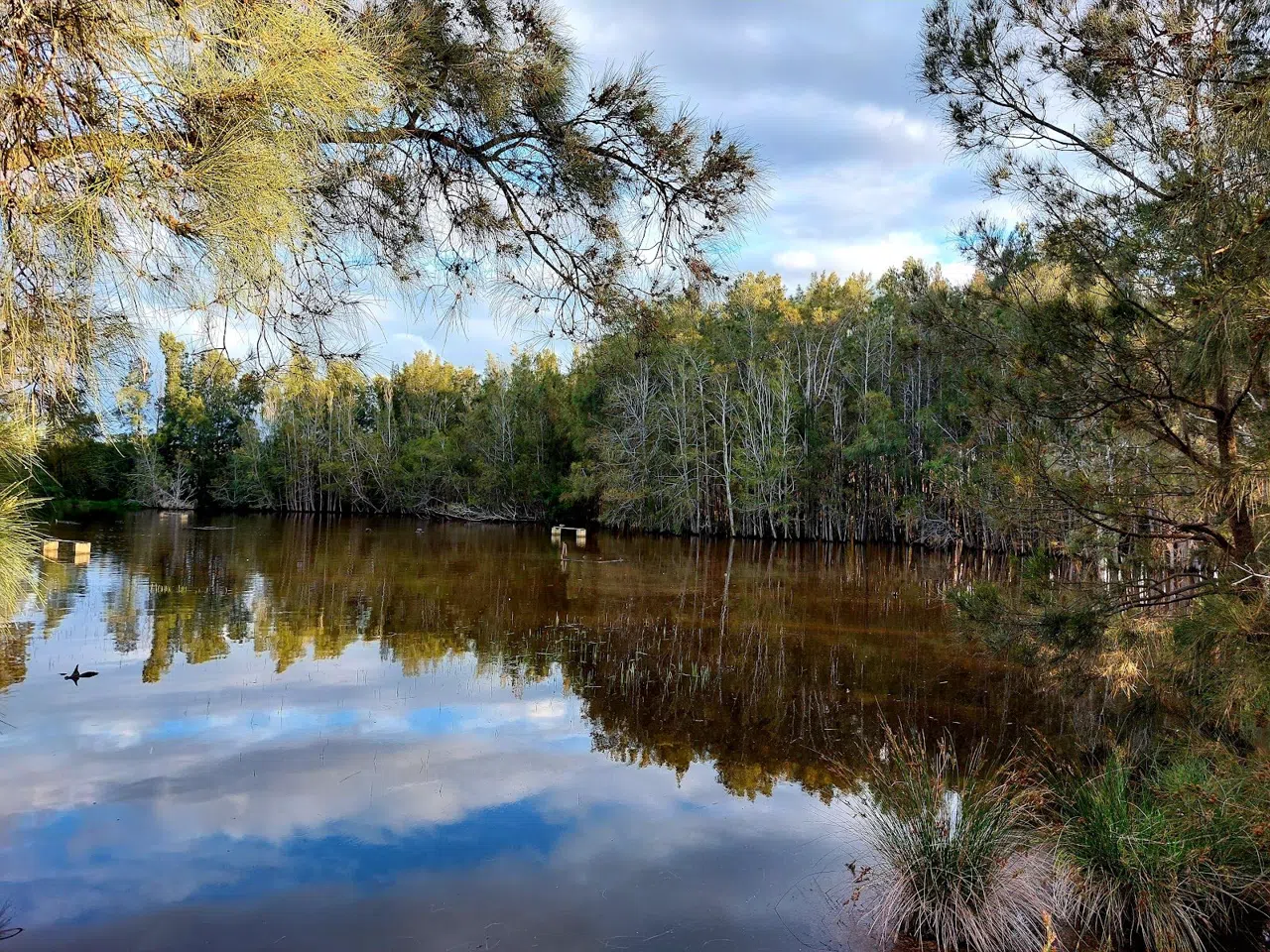
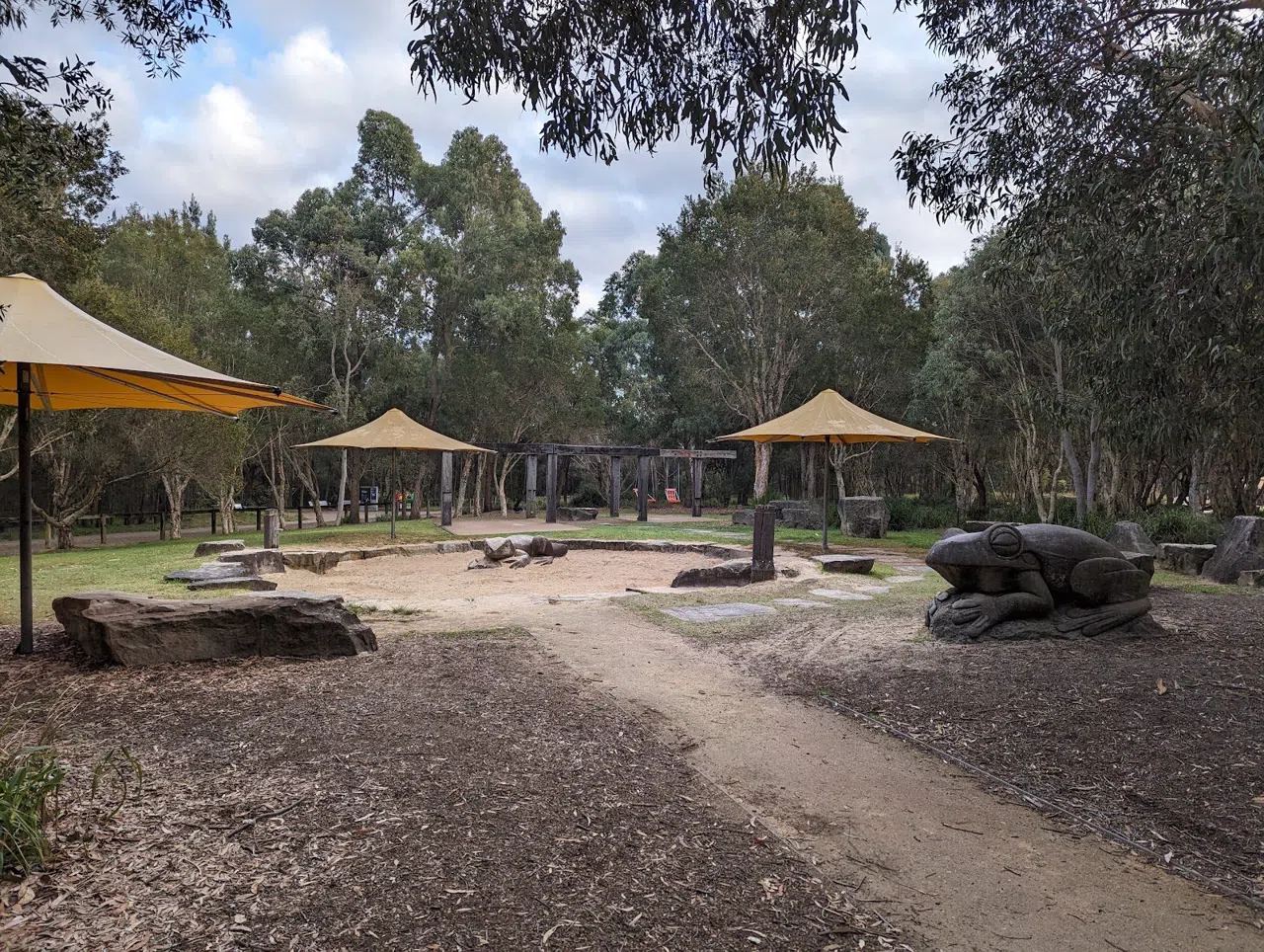
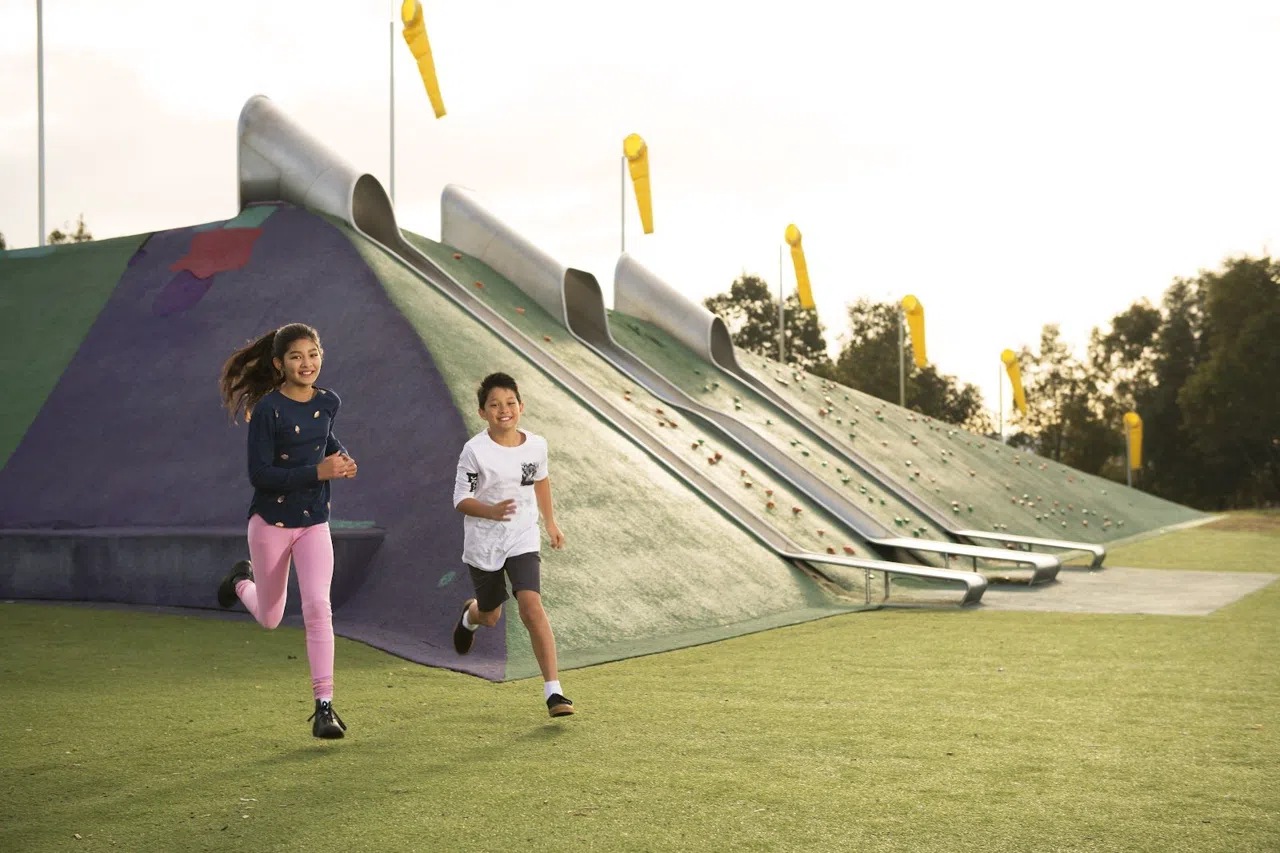
Wentworth Common (central precinct, directly opposite the Brickpit) is the best free wildlife-plus-view combination in the park, with frog ponds, the Bay Marker and an adventure playground that works as a straightforward bribe for children who have had enough of standing still. Open sunrise to sunset, free. Spaces are shared and cannot be reserved, though three pavilions (Banquet Tables, Tree Frog and Bell Frog) are hireable. Pop-up shelters are capped at 3m x 3m and larger marquees are not allowed, which catches out family parties who arrive with a gazebo. Dogs on-leash.
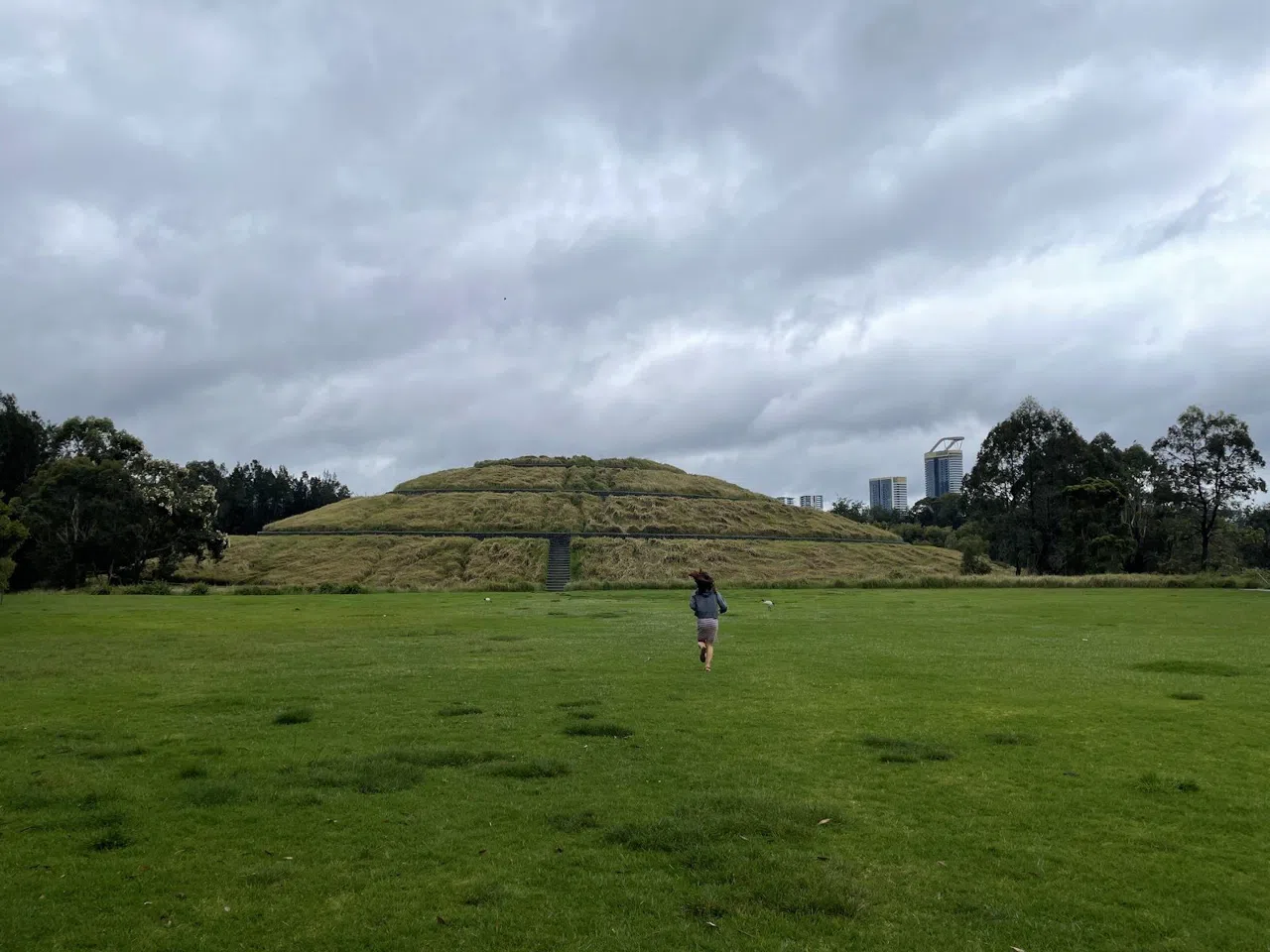
From there it is a short walk to Woo-la-ra Lookout (Wentworth Common, hilltop). The name means 'look-out place' in Darug, and it is the best sunset position on this side of the park: late afternoon in October gives you the whole wetland system backlit with the city in silhouette. Free open parkland, no gates, no group limit, reached on foot, bike or scooter.
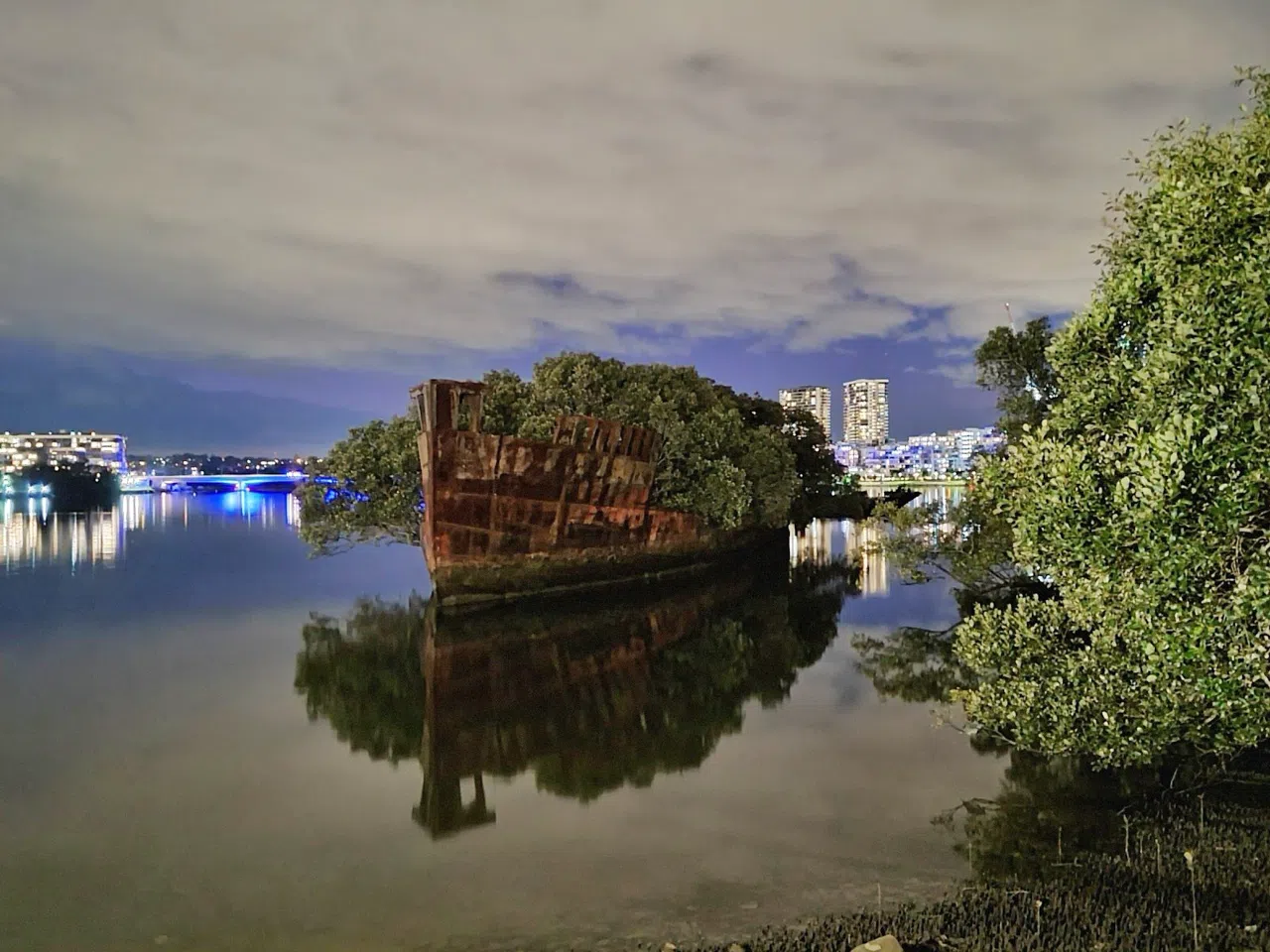
The Homebush Bay Shipwreck Lookout (the bay waterfront, viewing the SS Ayrfield) is the precinct's most photographed sight and unlike anything else in Sydney: a rusted hull with a small forest of mangroves growing out of it. Go at low tide for the full exposed hull, and early morning or late afternoon for the soft light the rust needs. The boardwalk is free, ungated and uncapped, but the best photo angle is a short stretch of rail, so a coach-load will be taking turns. Couples get in and out in fifteen minutes.
Bikes, water play and the loud half of the day
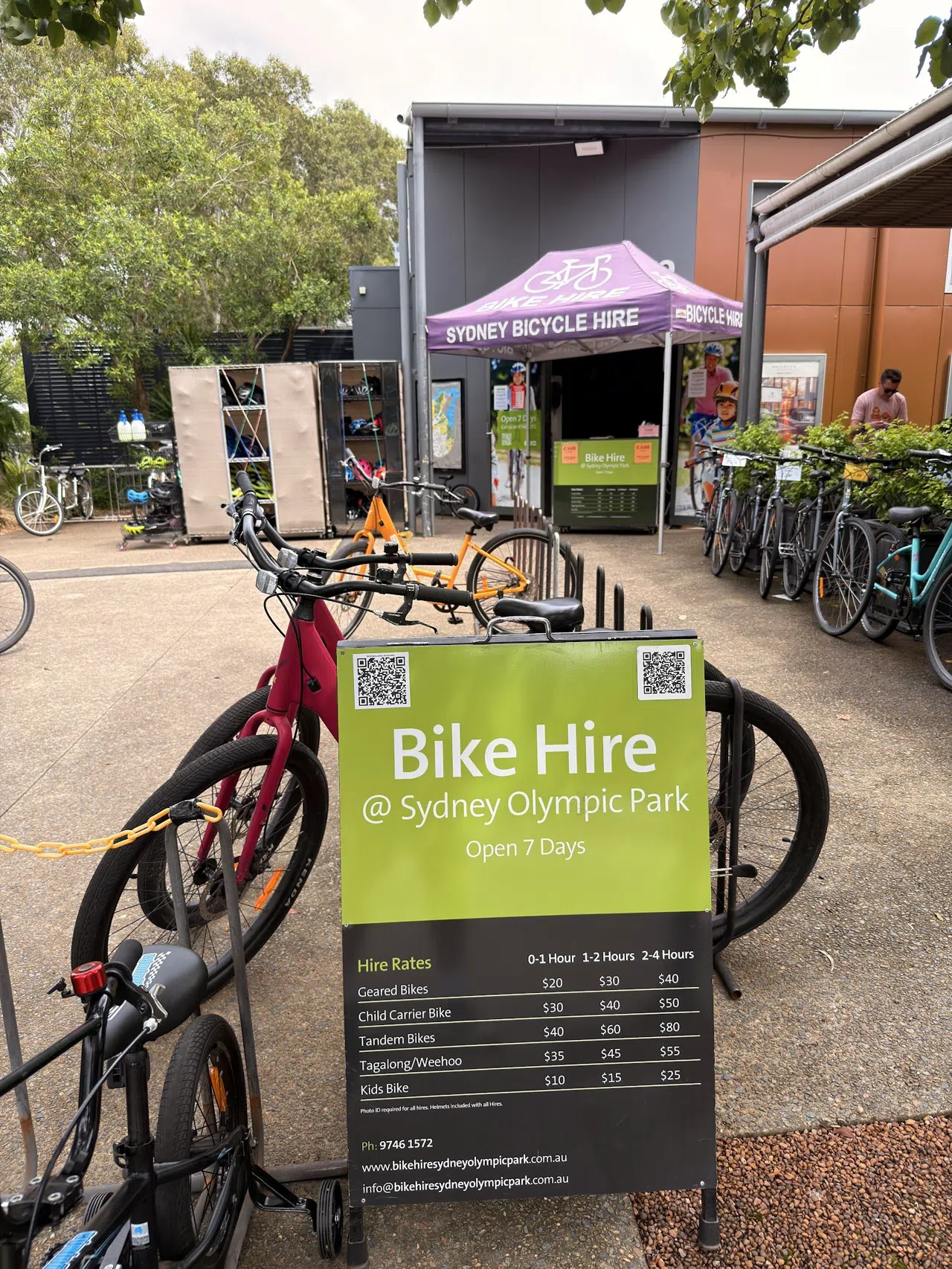
Given 640 hectares and 35km of path, Bike Hire @ Sydney Olympic Park (riverside Gate House) is the best-value upgrade to a nature day here, and it is the only hire point in the park. From A$10 for a kids' single-speed and from A$20 for a geared adult bike, with tandems, tagalongs and Weehoos extra. No bookings required, which makes it workable for walk-up groups, though ring (02) 9746 1572 ahead for a big party. The catch is the hours: weekends and public holidays 9am-5pm, plus seven days during NSW school holidays. Turn up on a quiet Tuesday outside the holidays and you are walking.
Blaxland Riverside Park (riverside, via Jamieson Street) is the counterweight to all the quiet birdwatching: a major playground with free barbecues throughout, open sunrise to sunset. In October the water play is back on daylight-saving hours, 10am-5pm. All spaces are shared, cannot be hired, and no commercial suppliers are permitted, so organised groups simply turn up and take their chances. The on-site Armory Wharf Café is closed until further notice, so bring your own food or plan to eat back at Bicentennial Park.
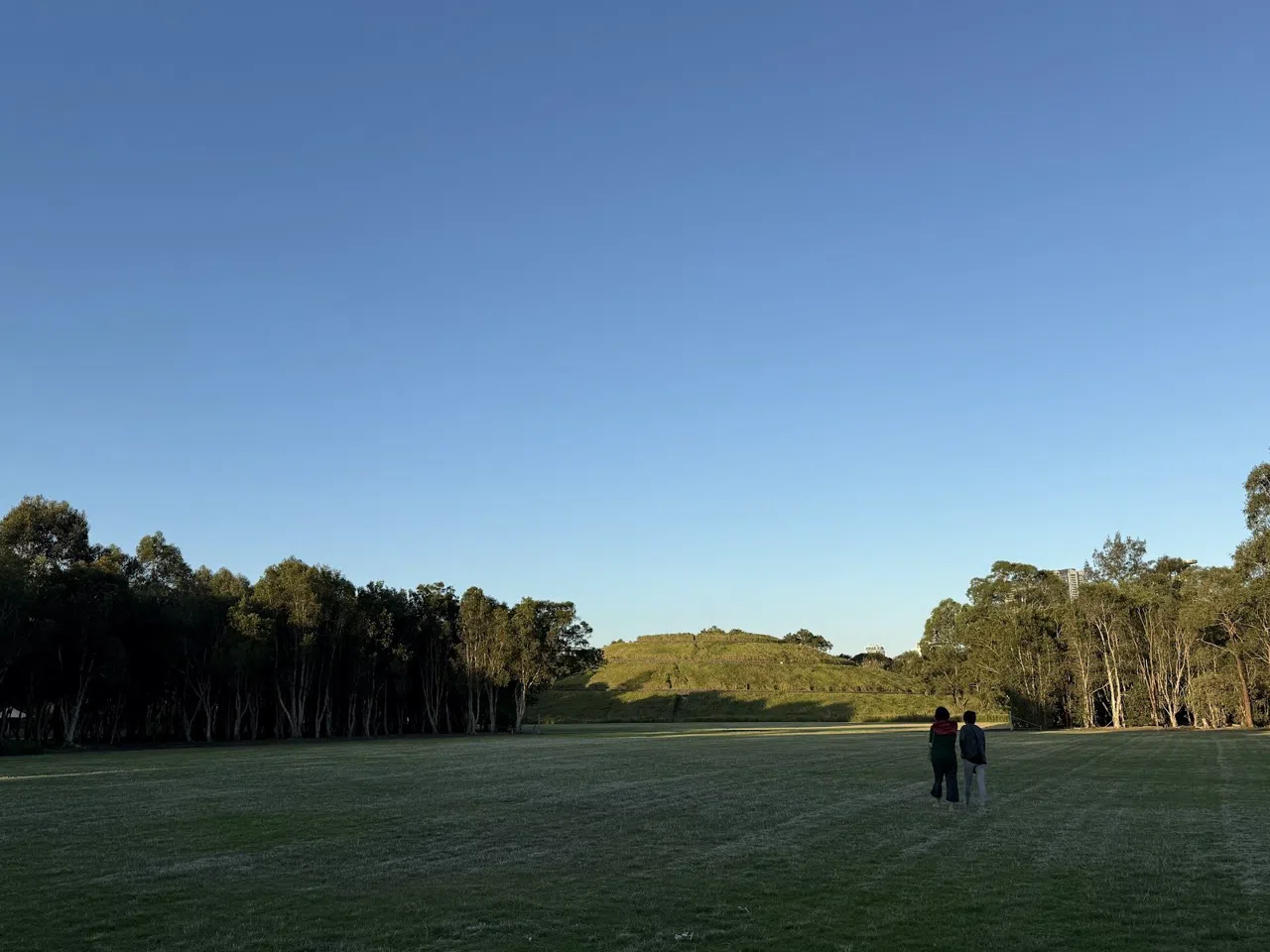
If you want the quiet half of the park at its best hour with locals rather than visitors, Wentworth Common parkrun (Wentworth Common) is free every Saturday at 8am, open to everyone regardless of age, ability or experience. Walkers are welcome, groups need no booking beyond a registered parkrun barcode, and the course is flat, so walking it is perfectly respectable. It is about a 1.3km, fifteen-minute walk from Olympic Park station. In October the 8am start is already warm and light.
Food, shelter and the strangest corner
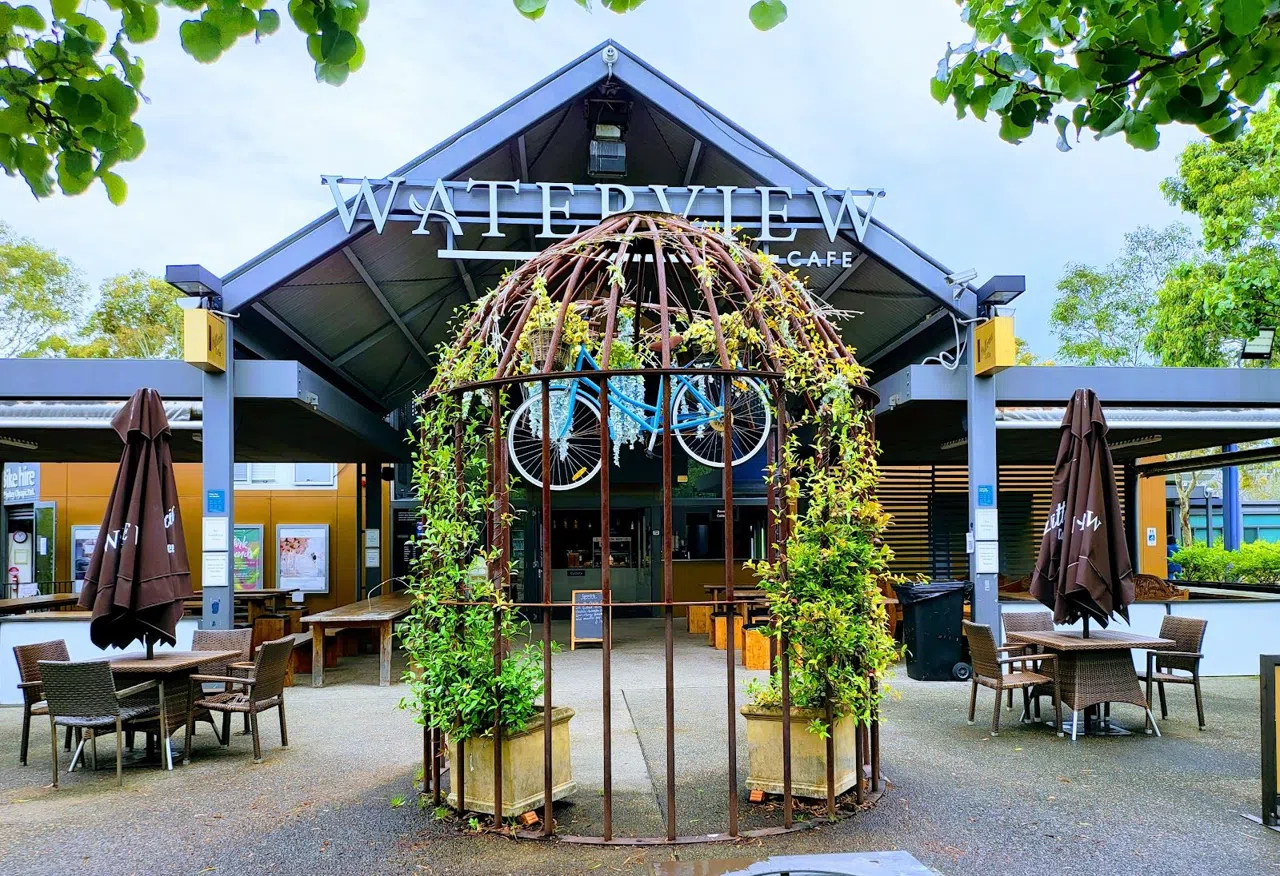
Waterview Café (Bicentennial Park) is, with the Armory Wharf Café shut, the only reliable sit-down food inside the parklands. Mon-Fri 8.30am-3pm, Sat-Sun 8am-5pm, closed Good Friday, Christmas Day and New Year's Day. It is licensed, does a high tea, and the attached Waterview venue handles function-sized bookings on (02) 9764 9900. Longtime visitors will know it as Lilies on the Park. Plan your loop to pass it, because the rest of the precinct's eating is up by the stadiums.
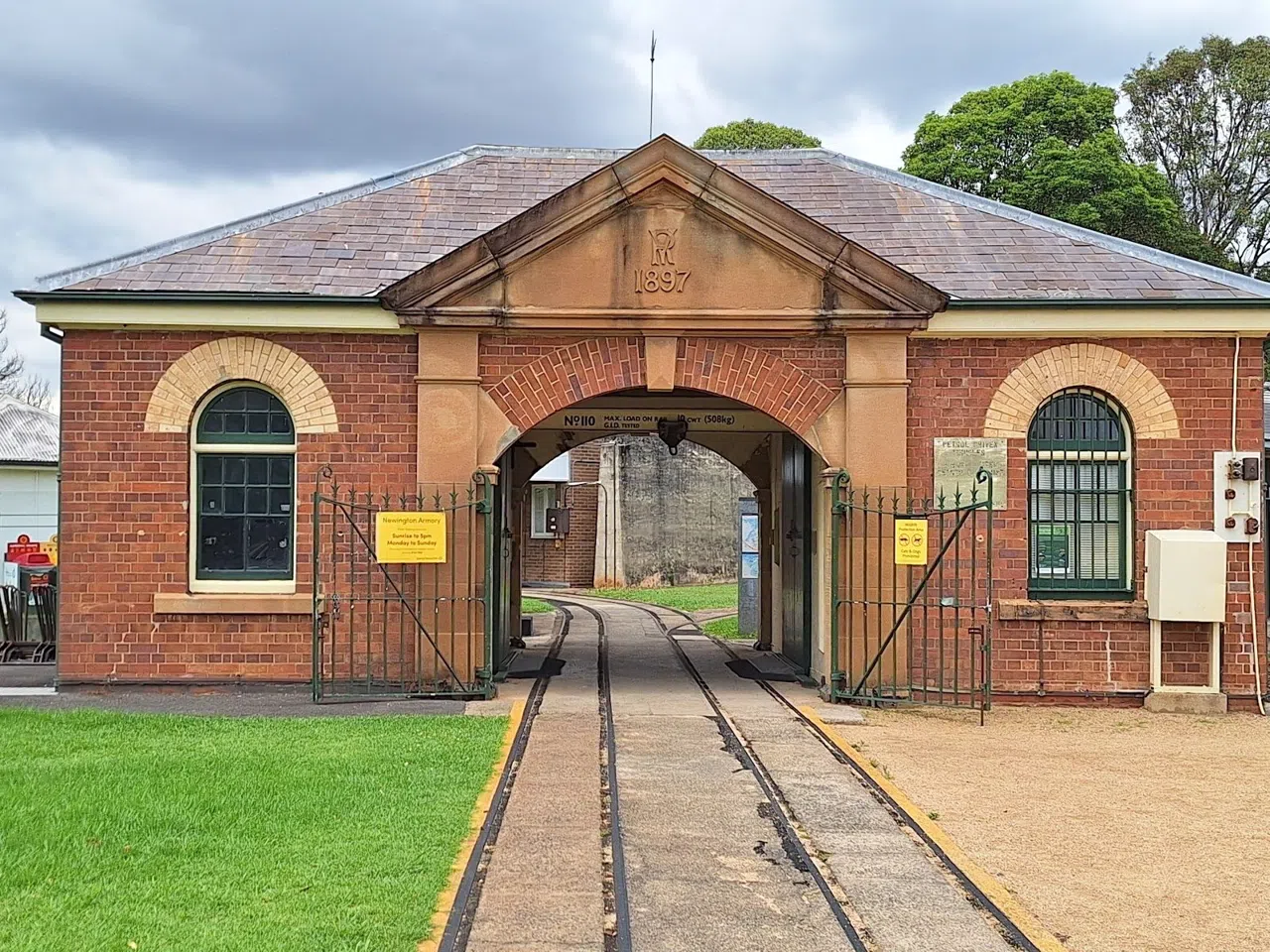
Newington Armory (Jamieson Street, settore settentrionale) è l'angolo più strano e più tranquillo di tutto il complesso: un ex Royal Australian Naval Armament Depot trasformato in quartiere delle arti, avvolto nella boscaglia dove vivono gli uccelli. Aperto ogni giorno dall'alba alle 17, gratuito, e i cancelli chiudono con puntualità rigorosa. I gruppi sono benvenuti sulle strade e sui sentieri aperti. Due regole colgono di sorpresa: niente cani ovunque, e niente barbecue in tutto l'Armory. I veicoli si registrano all'ingresso del parcheggio di Jamieson Street. Controlla il sito dell'Authority prima di andare, perché i singoli edifici chiudono periodicamente per lavori.
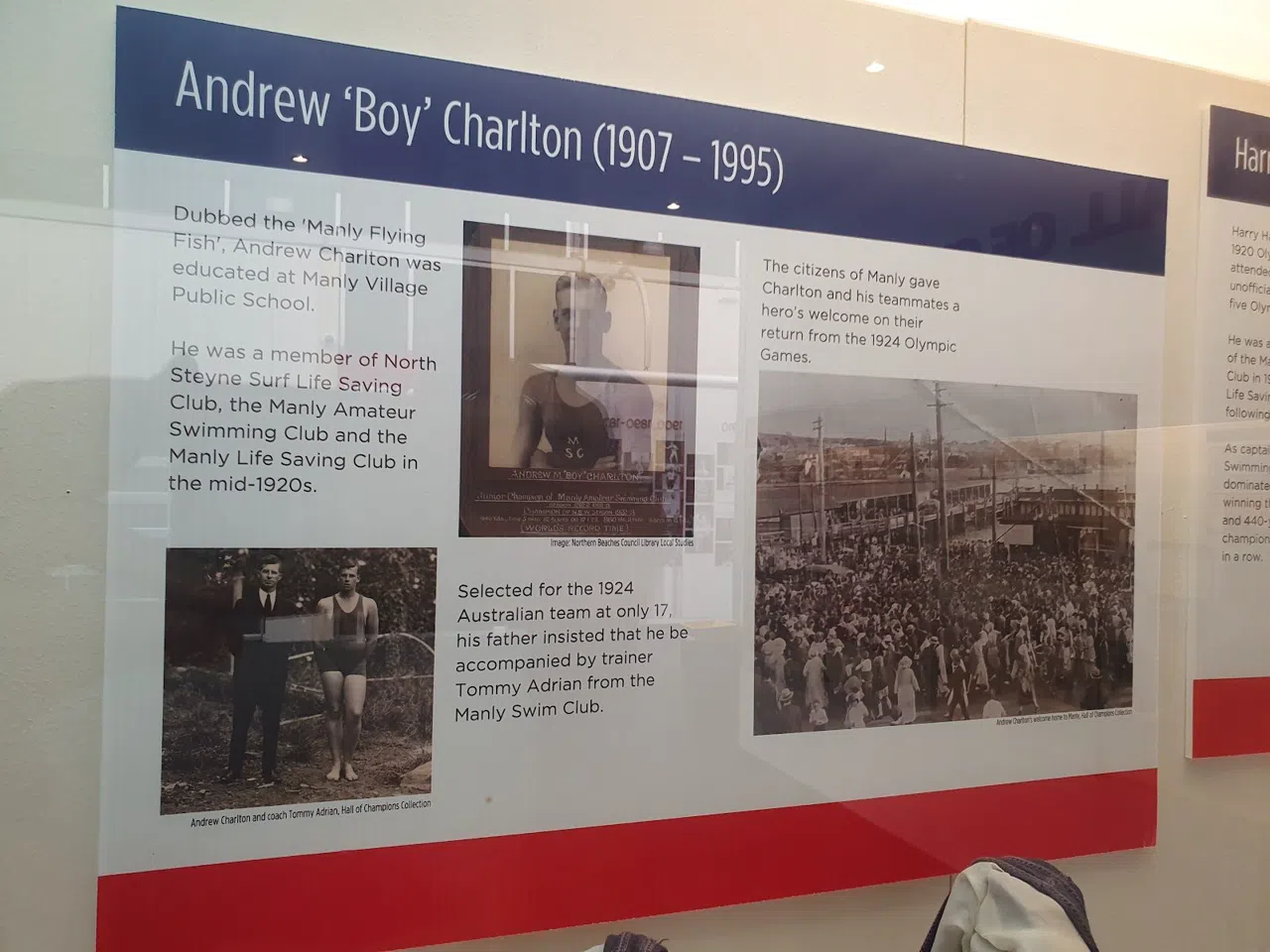
Se il tempo primaverile ti sorprende, la NSW Hall of Champions (lato stadio, all'interno del Quaycentre) è la giusta tappa al coperto da dieci minuti. Aperta tutti i giorni dalle 9 alle 17, chiusa nei giorni festivi, ingresso libero per la visita. Si trova all'interno di un'arena sportiva in attività, quindi controlla prima il calendario del Quaycentre, perché eventi come l'Australian Badminton Open occupano l'intero edificio.
Prezzi d'ingresso, visite guidate e code
Quasi tutto ciò che è descritto qui è gratuito, senza cancelli né biglietti. Non ci sono code in senso stretto e non c'è nulla da acquistare in anticipo. Gli unici veri limiti di capienza sono i turni di osservazione nel capanno e la breve passerella fotografica sul relitto; le sole due cose a cui non puoi accedere semplicemente presentandoti sono la passeggiata mensile di BirdLife, legata a una data precisa, e le discese guidate sul fondo della cava e le escursioni notturne per le rane organizzate dall'Authority, che richiedono quella telefonata o quell'email.
Un'opzione guidata è collegata a questa pagina come scheda separata, se preferisci avere un autista e un commento. Detto chiaramente: funziona sette giorni su sette, parte da 163 USD a persona e i tour prenotabili qui hanno 6,073 recensioni di viaggiatori. È un prodotto diverso da una mattinata nelle zone umide in autonomia, e lo strumento sbagliato se a cercare sono rane e uccelli limicoli, perché questi premiano il tuo ritmo, non l'orario di un pullman.
Ne vale la pena
Sì, a una condizione. Se arrivi in ottobre con la bassa marea, pioggia recente e una partenza di buon'ora, è una delle migliori mezze giornate gratuite di Sydney e un valido motivo per uscire dal centro. Se arrivi a mezzogiorno, con il caldo secco, due ore e nessun piano, percorrerai qualche sentiero piacevole, fotograferai un relitto e ti chiederai tutto questo entusiasmo da dove venga.
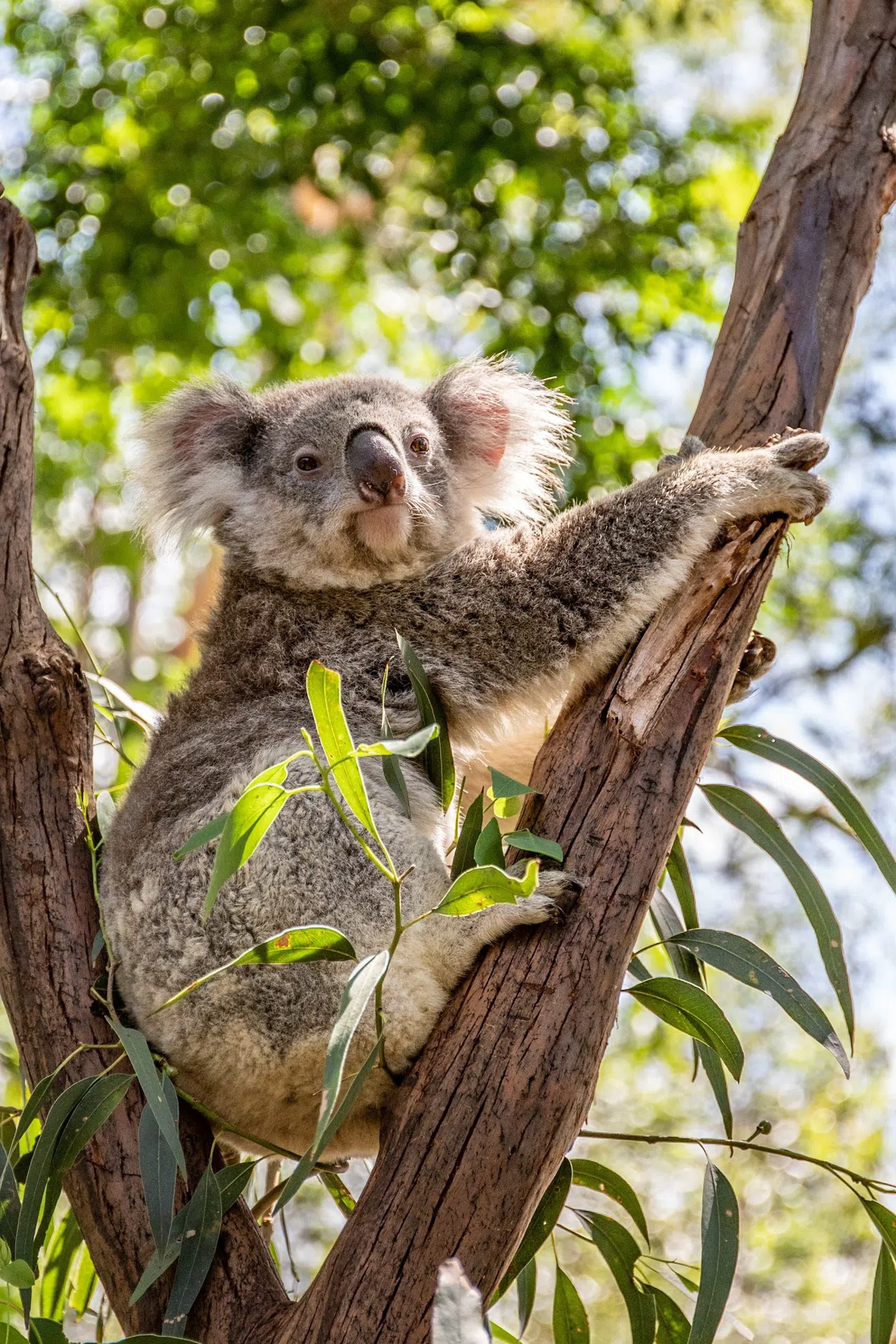
Va bene per birdwatcher, fotografi, corridori, ciclisti e famiglie che hanno bisogno di un parco giochi e di giochi d'acqua per bilanciare la quiete. Non è adatto a chi ha bisogno di vedere animali garantiti in un'ora. Per questo ci sono due alternative oneste a ovest del complesso. Sydney Zoo (Bungarribee, circa 25 minuti a ovest in auto) è aperto tutti i giorni dalle 9 alle 17, da circa A$40 per adulto all'ingresso e a meno se prenotato direttamente online; è pensato per pullman e gruppi scolastici, con un programma giornaliero pubblicato di incontri con i custodi. Featherdale Sydney Wildlife Park (Doonside, circa 30 minuti a ovest) è aperto sette giorni su sette dalle 8 alle 17, con il Koala Sanctuary e il punto fotografico dalle 8.30, A$49 per adulto e A$29 per bambini dai 3 ai 15 anni, under 2 gratis, con il 10% di sconto prenotando direttamente online. Ospita oltre 2.000 animali australiani e offre l'incontro ravvicinato con koala e canguri più affidabile della regione. Entrambi si trovano fuori dal complesso, non al suo interno, quindi tienilo presente prima di costruire una giornata che sostenga il contrario.
Il periodo migliore per andare in ottobre
Marea e pioggia contano più della data. Controlla le maree e punta alla bassa marea a Badu e al relitto; vai entro un giorno o due dalle piogge primaverili per le rane. La mattina presto ti regala uccelli limicoli in cerca di cibo e la luce morbida di cui lo scafo arrugginito ha bisogno. Il tardo pomeriggio appartiene a Woo-la-ra. Il sabato ci sono la parkrun alle 8 e il noleggio bici dalle 9; domenica 25 ottobre c'è la passeggiata BirdLife alle 10. Il giorno feriale fuori dalle vacanze scolastiche è il più tranquillo e anche il più limitato, senza bici. Evita il lato dello stadio nei grandi giorni di evento, quando l'accesso intorno al Quaycentre si fa più stretto.
Una giornata sensata di ottobre: Brickpit all'alba, Wentworth Common e Woo-la-ra, pranzo a Bicentennial Park, Badu e il capanno con la marea in calo, il relitto all'ora d'oro.
Note pratiche
I treni arrivano alla stazione di Olympic Park sulla linea secondaria, e la stazione dista circa 1,3 km, quindici minuti a piedi, da Wentworth Common, con Cathy Freeman Park proprio all'esterno. È l'accesso più semplice senza auto. In auto, parcheggia lungo Marjorie Jackson Parkway per il Brickpit e Wentworth Common, a Bicentennial Park per le mangrovie e il capanno, oppure da Jamieson Street per l'Armory e il lungofiume. Le tariffe sono uniformi in tutto il complesso: prime due ore gratuite, poi A$3/ora nei giorni feriali e A$5/ora nel fine settimana. Due ore non bastano per le zone umide, quindi mettine in conto quattro.
Per l'ingresso in nessun luogo di questo articolo serve contante, perché nessuno dei siti naturalistici del parco fa pagare. Porta con te una carta per il caffè, il noleggio bici e il parcheggio. Un budget realistico è A$0 per le passeggiate, circa A$12-20 di parcheggio, A$20 per una bici da adulto e i prezzi del bar per colazione o pranzo, con il tè pomeridiano più caro. Aggiungi A$49 se prosegui in auto verso il parco faunistico.
Porta acqua, un cappello e la crema solare, perché il sole di ottobre qui è più forte di quanto dica la temperatura, più un binocolo se ne possiedi uno, dato che il capanno è sprecato senza. Dopo la pioggia valgono la pena scarpe che reggano il fango, ed è proprio allora che vorrai essere qui. Per scegliere dove alloggiare, la ricerca di hotel a Sydney copre sia il gruppo di hotel nel parco sia il centro città, e la guida di Sydney più ampia contiene il resto della città se questa è solo una mattinata di un viaggio più lungo.
Prima di partire
Quanto tempo serve a Sydney Olympic Park in ottobre?
Quattro ore sono il minimo onesto per la parte naturalistica. Il Brickpit Ring Walk richiede da 30 a 45 minuti se ti fermi abbastanza a lungo da sentire le rane; il Badu Mangroves Boardwalk e il Waterbird Refuge Bird Hide un'altra ora dal parcheggio di Bicentennial Park, e i belvedere con il relitto un'ulteriore ora. Il complesso si estende su 640 ettari con 35 km di sentieri, quindi una giornata intera funziona solo se noleggi una bici.
Visitare le zone umide e il Brickpit costa qualcosa?
No. Il Brickpit Ring Walk, le Badu Mangroves, il capanno per l'osservazione degli uccelli, Bicentennial Park, Wentworth Common, il belvedere Woo-la-ra, il belvedere sul relitto, Blaxland Riverside Park, Newington Armory e la NSW Hall of Champions sono tutti gratuiti, così come la passeggiata guidata mensile di BirdLife Australia. L'unico costo abituale è il parcheggio: le prime due ore sono gratuite, poi A$3/ora nei giorni feriali e A$5/ora nel fine settimana.
Quando si sentono davvero le Green and Golden Bell Frogs?
Ottobre è il mese in cui le rane si fanno sentire, ma è il tempo a decidere il giorno. Vai entro uno o due giorni dalle piogge primaverili, al mattino presto o nel tardo pomeriggio piuttosto che nella calura secca di mezzogiorno, e resta in silenzio sul percorso ad anello per cinque minuti. La cava è una delle case più importanti di Sydney per questa specie in pericolo. Per scendere sul fondo della cava, comprese le escursioni notturne per le rane, devi organizzarlo con l'Authority al numero (02) 9714 7300 oppure all'indirizzo [email protected].
Come si raggiunge Sydney Olympic Park senza auto?
Prendi il treno fino alla stazione di Olympic Park sulla linea secondaria. Cathy Freeman Park e l'Olympic Cauldron si trovano proprio all'esterno, mentre Wentworth Common e il Brickpit distano circa 1,3 km, quindici minuti a piedi. Bike Hire @ Sydney Olympic Park, presso la Gate House sul fiume, apre nei fine settimana e nei giorni festivi dalle 9 alle 17, più sette giorni su sette durante le vacanze scolastiche del NSW, senza bisogno di prenotazione. Per un gruppo numeroso chiama il (02) 9746 1572.
Vale la pena alloggiare in un hotel a Sydney Olympic Park?
Ha senso per un motivo: trovarsi sul posto alle prime luci, quando gli uccelli limicoli si nutrono e il relitto si fotografa meglio, senza dover prendere un treno per arrivare. Per il resto il complesso è tranquillo la sera e l'unico locale affidabile dove sedersi a mangiare all'interno del parco è il Waterview Café di Bicentennial Park, che nei giorni feriali chiude alle 15. Se cerchi vita notturna e ristoranti, dormi in città ed esci presto.